
Quality control
Quality control that stands up to a survey.
Quality control is the routine checking that proves each test, instrument and process is working before a patient relies on it. We set up the controls, the schedules, the logs and the corrective action rules, and train your staff to run them.
Why it matters
Every patient result depends on the control run before it.
Quality control detects errors in a test system before they reach a patient. A control material with a known value is tested the same way as a patient specimen; if the result falls outside its acceptable range, the run is stopped, the cause is found and fixed, and patient results are held until the system is proven to be working again.
CLIA sets the minimum: for most moderate and high complexity tests, two levels of external control on each day of patient testing, unless the laboratory has an approved individualised quality control plan. Waived tests must follow the manufacturer’s quality control instructions exactly. Missing or incomplete QC records are among the most frequently cited laboratory deficiencies.
Quality control is not only a laboratory concern. Sterilizers, vaccine refrigerators, eyewash stations and emergency equipment all need routine, documented checks, and inspectors ask to see those logs too.
Laboratory QC
What we set up in your laboratory.
Control ranges and schedules
Establishing or verifying acceptable ranges for each control lot, defining when controls are run for every test on your menu, and new-lot crossover before a lot is put into use.
Levey-Jennings and Westgard rules
Charting set up for each analyte and control level, with clear Westgard rules (1-2s warning, 1-3s, 2-2s, R-4s, 4-1s, 10x) so staff know exactly when a run is accepted or rejected.
Corrective action
A written response for every out-of-control event: troubleshooting steps, repeat testing, review of patient results since the last acceptable run, and documented sign-off before testing resumes.
Calibration and verification
Calibration and calibration verification at the required intervals, reportable range verification, and comparison of results when the same test is run on more than one instrument.
IQCP
For laboratories that choose an individualised quality control plan: the risk assessment, quality control plan and quality assessment monitoring that must support it.
Waived and point-of-care testing
Manufacturer-required QC for waived tests such as urinalysis dipsticks, rapid strep, pregnancy, A1c and glucose meters, with logs staff can complete in seconds.
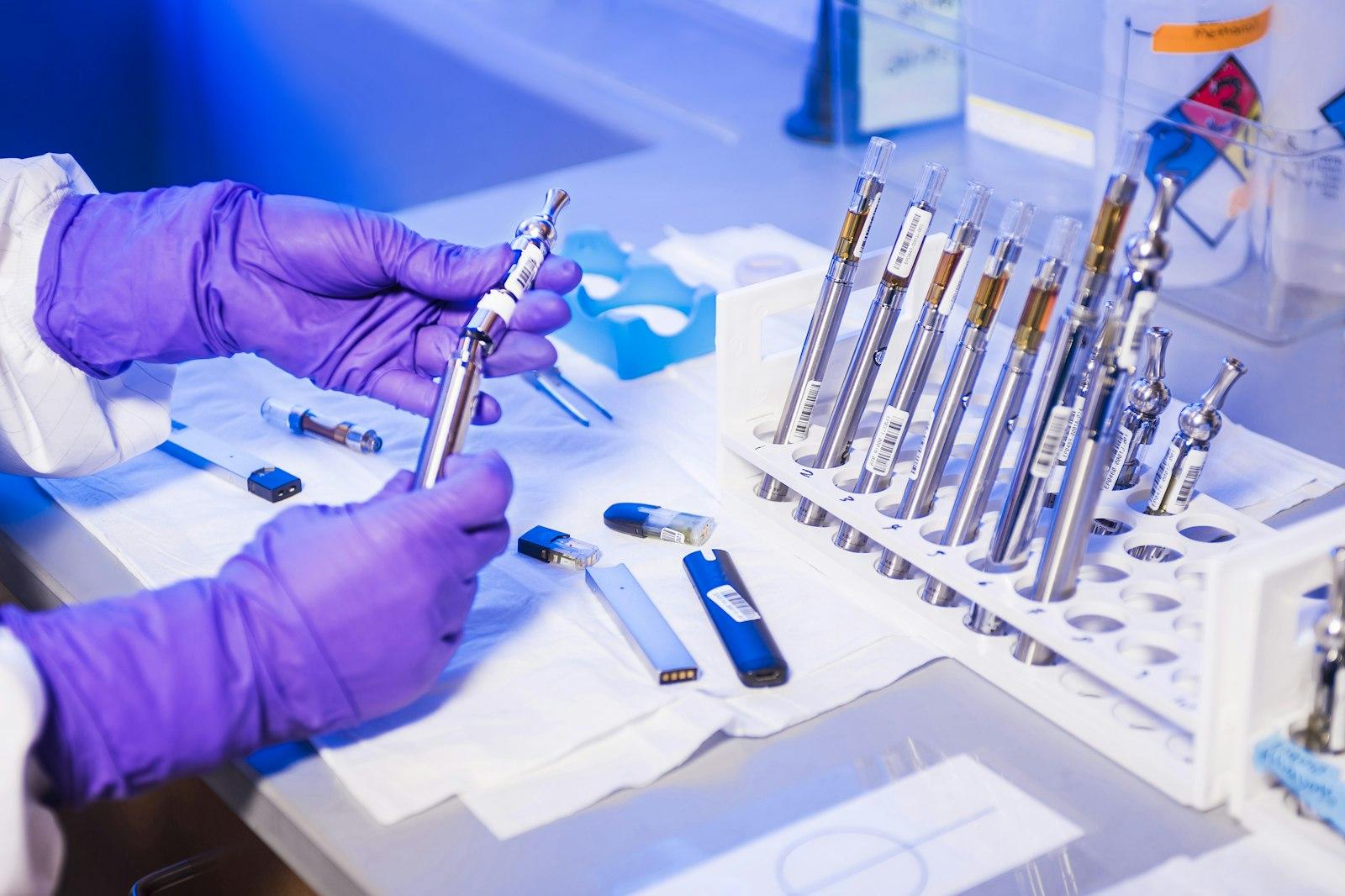
If quality control is out, patient results wait. That rule protects patients and practices alike.
Practice-wide QC
Routine checks beyond the laboratory.
We build the logs and schedules for the checks inspectors expect to see across the practice.
- Sterilizer biological (spore) testing at least weekly, with results logged
- Chemical indicators and physical parameters recorded for every sterilizer cycle
- Vaccine refrigerator and freezer temperatures checked and logged each workday
- Laboratory refrigerator, freezer, room and incubator temperatures recorded with action limits
- Eyewash stations activated weekly and the check documented
- Emergency kit, oxygen and AED checks with expiry dates tracked
- Reagent and control lot numbers, receipt dates and expiry dates recorded
- Glucose meter and other point-of-care device QC logged by device
- High-level disinfectant concentration tested and logged before each use
- Out-of-range results escalated with corrective action documented
Engagement
How a quality control engagement runs.
- 01
Review
We review your test menu, instruments, current QC records and equipment logs.
- 02
Set up
Control ranges, schedules, charts, logs and corrective action procedures written for each test and device.
- 03
Train
Hands-on training so staff know how to run controls, read the charts and respond when QC fails.
- 04
Monitor
Periodic review of your QC records as part of your quality assurance programme, with findings documented.
When quality control fails, patient results must not be reported until the problem is corrected and controls are back in range. A clear written rule, and staff trained to follow it, is the single most important QC safeguard.
Get your quality control in order.
Whether you are starting a laboratory or fixing a deficiency, we set up quality control your staff can run every day.