
Quality assurance
Quality assurance for medical practices and laboratories.
Quality assurance is the system that proves your practice does the right thing every time, not just on the day of an inspection. We design the programme, write the policies, audit it on schedule and keep the records that show it works.
What it is
Quality assurance is the system. Quality control is one of its checks.
Quality assurance is the planned, documented programme a practice uses to make sure its processes reliably produce correct, safe results. It covers everything from how a patient is identified and a specimen is labelled, to how a result is reported, to how staff are trained and how a complaint is investigated.
Quality control sits inside that programme. It is the day-to-day check on an individual test, instrument or process — running controls, logging temperatures, testing a sterilizer. Quality assurance is what reviews those checks over time, spots the trend before it becomes a failure, and makes sure every problem ends in a documented corrective action.
Regulators expect both. CLIA requires a written quality assessment programme for every non-waived laboratory. OSHA, HIPAA and accrediting bodies all expect evidence that your written policies are actually followed, reviewed and improved. That evidence is what a quality assurance programme produces.
What we provide
Our quality assurance services.
QA programme design
A written quality assurance plan built for your specialty and size: scope, responsibilities, the indicators you will monitor, how often they are reviewed, and who signs off. Practical enough that your staff can run it without us.
CLIA quality assessment
The quality system CLIA requires for non-waived testing: general laboratory systems, pre-analytic, analytic and post-analytic assessment, proficiency testing review, competency, and the documented annual review by the laboratory director.
Internal compliance audits
Scheduled audits of OSHA, HIPAA, infection control and laboratory practice against your own written policies, with a scored findings report so progress can be measured from one audit to the next.
Corrective and preventive action
A simple CAPA process: every deficiency, incident, complaint or out-of-range result is logged, investigated for root cause, corrected, and checked again to confirm the fix held.
Document control
Policies, procedures and forms kept current, versioned, reviewed and signed on schedule, with superseded documents retained for the required period so you can show what was in force on any date.
Training and competency
Training records and competency assessments linked to each role, so you can prove every staff member was trained on the procedures they perform and assessed at the required intervals.
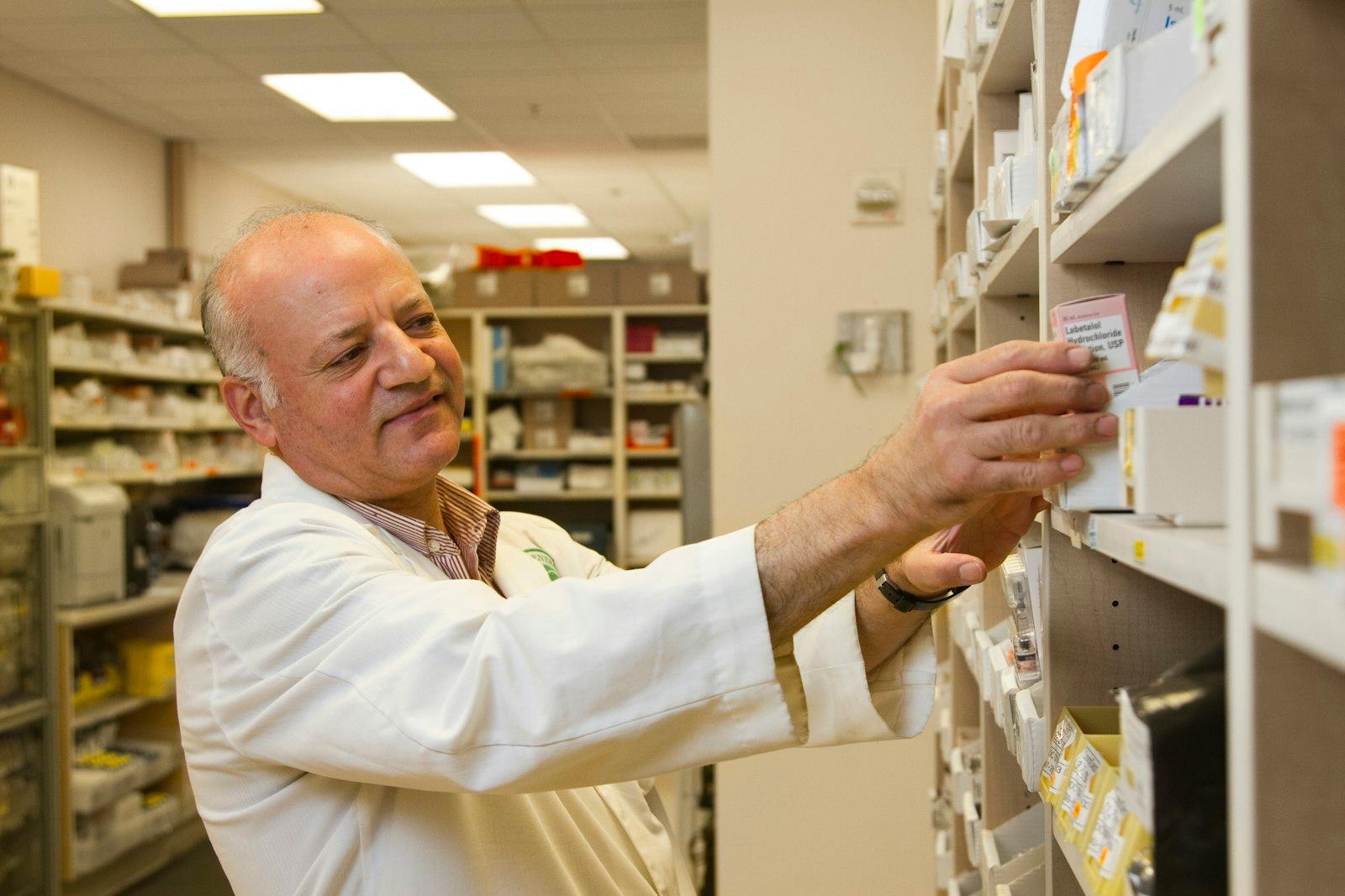
Quality control catches an error. Quality assurance makes sure it does not happen again.
Coverage
Where a quality assurance programme applies.
One programme, one set of records, covering every regulated area of the practice.
- Physician office laboratory
- Patient identification and specimen collection, test ordering and requisitions, specimen rejection, review of quality control and proficiency testing, result reporting and critical value notification, comparison of results across instruments, and personnel competency. Required under CLIA for moderate and high complexity testing and expected good practice for waived testing.
- Infection prevention and sterilization
- Hand hygiene observation, instrument reprocessing workflow, sterilizer monitoring records, high-level disinfection logs, and environmental cleaning. The QA review confirms the checks are being done and acted on, not just filled in.
- OSHA safety programme
- Annual review of the exposure control plan, safer sharps device evaluation, injury and exposure log trends, hazard communication inventory, emergency drills and eyewash maintenance records.
- HIPAA privacy and security
- Access reviews, security risk analysis follow-up, business associate agreement register, privacy complaint log and workforce training completion — reviewed on a defined schedule and documented.
- Ambulatory surgery and outpatient settings
- Support for the quality assessment and performance improvement (QAPI) programme that ambulatory surgical centres must maintain, including indicator selection, data collection and governing body reporting.
Engagement
How we build your quality assurance programme.
- 01
Assess
We review your current policies, logs and records against the regulations that apply to your practice and laboratory.
- 02
Design
A written QA plan with clear owners, review intervals, quality indicators and the forms to record each one.
- 03
Implement
We train your staff on the programme and run the first audit cycle alongside them.
- 04
Review
Scheduled follow-up audits and an annual programme review, signed and ready to show an inspector or surveyor.
Since 2003, CLIA has used the term quality assessment for the laboratory quality system. Surveyors look for evidence that problems were identified, corrected and monitored — not simply that logs exist.
Put a quality assurance programme in place.
We build it around your practice, train your staff to run it, and review it with you every year.